Psychiatric expert evidence in child sexual abuse claims
Independent psychiatric assessment of adults who were sexually abused as children: diagnosis, causation, the effect on education, work and relationships, prognosis and treatment, for claimant, defendant and single joint expert instructions. Since 29 June 2026 these claims have no time limit in England and Wales, unless they were settled or decided before that date. Free initial screening call and fixed fees with no hidden charges.
- APIL Tier 1 Recommended Expert
- Claimant, defendant and SJE
- Structured for CPR Part 35
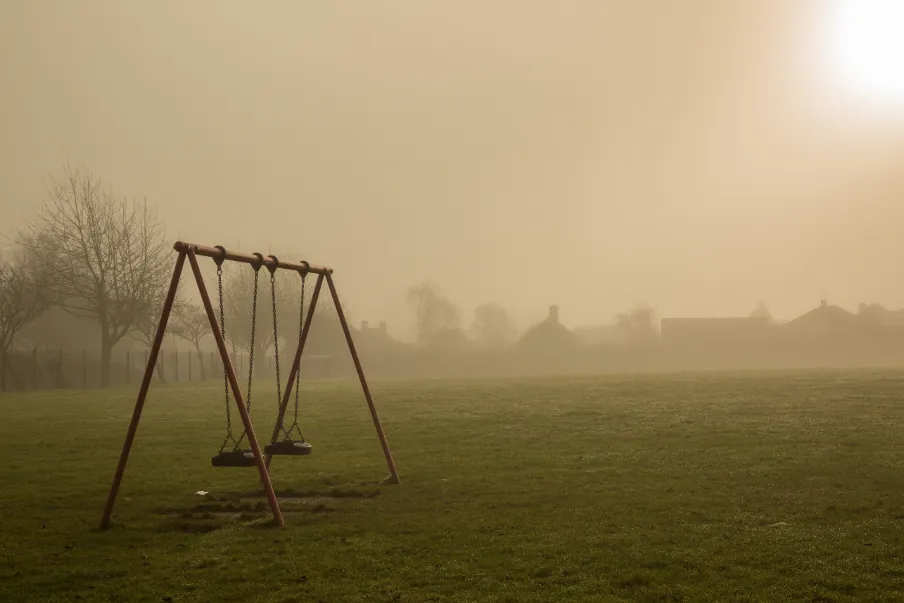
Psychiatric evidence for child sexual abuse claims
Dr Pradhan assesses adults who were sexually abused as children, whether the abuse happened in a family, a school, a care setting or another organisation. Her reports address whether the claimant has a recognised psychiatric disorder, how far it is attributable to the abuse rather than to other adversity in their history, how it has affected their education, work and relationships, and what treatment they need.
These claims often come years after the abuse. The records may be incomplete, disclosure may have been delayed or partial, and symptoms may have emerged or worsened in adulthood. She analyses the chronology against the GP, school, social care and mental health records, and treats delayed disclosure, shame, avoidance and inconsistent disclosure across records as part of the clinical picture.
Historic abuse is at the centre of Dr Pradhan’s practice. She is an APIL Tier 1 recommended expert and dual-accredited for claimant and defendant work, and solicitors in specialist abuse departments have instructed her over a number of years.
What the report covers
Each report is written to the pleaded issues and the records available. Reports in child sexual abuse claims commonly address:
- PTSD and complex PTSD after childhood sexual abuse
- Depression, anxiety and panic in adulthood
- Causation where there was also neglect, physical or emotional abuse, or family adversity
- Apportionment between abusers, and between sexual and non-sexual harm
- Delayed disclosure and delayed-onset symptoms
- The reasons for delay in bringing the claim, where the court’s discretion on time limits applies
- The effect on education, employment and earning capacity
- Relationships, intimacy, parenting and trust
- Self-harm, substance misuse and personality-related difficulties
- Treatment needs, including trauma-focused therapy, and the likely benefit
- Prognosis and future vulnerability
- Supplementary questions, joint statements and second opinions
Send the claimant’s age, where and when the abuse is said to have happened and any relevant dates, and Dr Pradhan will confirm the scope of opinion and a fixed fee.
Submit an enquiryCausation in a complex history
Many adults who were sexually abused as children have other adversity in their history: neglect, physical or emotional abuse, family breakdown, time in care or later trauma. The report deals with each question in turn:
- Is there a recognised psychiatric disorder, and how severe is it?
- How much of it is attributable to the sexual abuse, and how much to other causes?
- What would the claimant’s mental health probably have been without the abuse?
Apportionment can now affect limitation as well as damages. In England and Wales the new limitation rules apply to injury attributable to sexual abuse, while other abuse in the same history remains subject to the ordinary time limits.
Submit an enquiry
Limitation, delay and the psychiatric evidence
In England and Wales there is no longer a time limit for personal injury claims attributable to sexual abuse suffered under the age of 18. Sections 11ZA and 11ZB of the Limitation Act 1980, in force since 29 June 2026, apply to claims brought before or after that date, except claims already settled or decided. A defendant can still ask the court to dismiss the claim, and the court must do so if satisfied that a fair hearing is not possible.
Where a claim also involves non-sexual abuse, the ordinary time limits and the court’s discretion still apply to that part of it, and in Northern Ireland they apply to all abuse claims. In both cases, psychiatric evidence on why the claimant did not come forward earlier can be relevant. In Scotland, the Limitation (Childhood Abuse) (Scotland) Act 2017 removed the time bar for claims for childhood abuse that took place on or after 26 September 1964.
Conditions commonly assessed
- PTSD and complex PTSD
- Depressive disorder
- Anxiety and panic
- Substance misuse
- Self-harm
- Personality-related difficulties
Questions often raised
- Causation and apportionment
- Delayed disclosure
- Reasons for delay
- Education and earning capacity
- Treatment needs
- Prognosis and future vulnerability
I recommend Dr Pradhan as a psychiatrist experienced in preparing reports into child sex abuse cases. The work she did for me showed her deep understanding of this trauma and its effects on survivors of sexual assaults.
The assessment and the court’s role
Assessments are arranged with the claimant’s needs in mind, with time to settle, breaks where needed and a clear explanation of what the assessment involves and what the report is for. The report sets out the history given, the records reviewed and the factual assumptions on which the opinion depends.
Whether the abuse happened is a question for the court. The psychiatric opinion addresses diagnosis, causation, prognosis and treatment on the factual basis given in the instructions, and where accounts conflict, it explains how the opinion would differ. Reports are structured for CPR Part 35 in England and Wales, and prepared to the requirements of the courts in Scotland and Northern Ireland.
For an award for mental injury, the Criminal Injuries Compensation Scheme 2012 requires a diagnosis or prognosis by a psychiatrist or clinical psychologist, and Dr Pradhan prepares reports for CICA applications. Where the applicant was under 18 at the time, the application must reach the CICA by their 20th birthday if the abuse was reported to the police before they turned 18, or within two years of the first police report if it was reported later; a claims officer can extend these limits only in exceptional circumstances. The Scheme covers England, Wales and Scotland; Northern Ireland has its own scheme.
Related pages




Child sexual abuse claim questions
If your question is not answered here, call and Dr Pradhan will advise on scope and timescale.
Call 0121 752 6065What does a psychiatric report in a child sexual abuse claim cover?
Diagnosis, causation and apportionment, the effect on education, work and relationships, treatment needs and prognosis, and, where the court’s discretion on time limits applies, the psychiatric reasons for delay. Start with a short case summary; the records follow once the instruction is agreed.
Does the report say whether the abuse happened?
No. That is a finding for the court. The report gives the psychiatric opinion on the factual basis in the instructions, and explains how the opinion would change if the court finds different facts.
Is limitation still an issue?
In England and Wales, not for injury attributable to sexual abuse suffered under 18, although a defendant can ask the court to dismiss the claim if a fair hearing is not possible. In Scotland there is no time bar for childhood abuse on or after 26 September 1964. The ordinary time limits still apply to other abuse in England and Wales and to all abuse claims in Northern Ireland, and in those cases the psychiatric evidence on delay can be relevant.
Can the assessment be arranged to suit the claimant?
Yes. Assessments take place at consulting rooms in Harborne, Birmingham, or at another UK location where appropriate, with breaks where needed. Tell Dr Pradhan about any adjustments when you send the case details.
Does Dr Pradhan assess claimants who are still children?
Dr Pradhan assesses adults aged 18 and over. Where the claimant is still a child, the assessment can be arranged through the child psychiatrists in her network; call to discuss the case.
How quickly can a report be delivered, and what does it cost?
The usual turnaround is 1–2 weeks from assessment, and urgent reports can often be provided in 2–5 working days where the papers and appointment can be arranged promptly. Fees are fixed with no hidden charges, flexible and deferred payment terms are available in suitable cases, and legal aid (LAA), CFA or insurance-backed, private, and council, court or CPS-funded instructions are accepted.
Instruct Dr Pradhan on a child sexual abuse claim
Send the claimant’s age, a short outline of the claim and the issues, the funding route and any limitation or hearing dates.
- Phone0121 752 6065
- Emailinfo@
doctorpradhan.co.uk - Consulting Rooms NationwideAbacus Court, Harborne, Birmingham B17 0HH
Please do not include medical records or a detailed personal history in this form. Dr Pradhan will confirm how to send the papers once the instruction is agreed.
Case enquiry
Fields marked * are required.
Instructions are accepted from solicitors only. Read our privacy policy before sending personal information.
If the matter is urgent, call 0121 752 6065.